
The future of work is hybrid, flexible, and mobile.
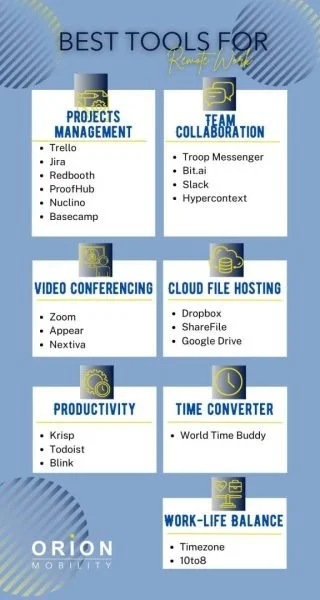
Many companies are returning to face-to-face work or have begun to share plans for the return with their employees. Still, expectations have changed, and workers are asking for more flexibility two years after being at home.
According to a survey conducted by Randstad in the United States, 77% of workers are willing to return to the office only if it is temporary. In other words, not every day. The confinement brought to light factors not considered before, such as long commuting times and the feeling that working from home makes us more productive.
The "Next Normal" study revealed that employees want the future of work to be flexible and hybrid, even if it means crossing the fine line of work-life balance by having to log on earlier and finish later than when they worked in the office.
Therefore, offering flexible and hybrid work will be essential to attracting and retaining talent in the future. As well as providing the right tools to get the job done efficiently and effectively from home. Flexible working is not possible for some positions, but in these cases, companies should offer health and safety protocols that guarantee a stay in the offices.
Employee Mobility
The Randstad survey also revealed that employees were more mobile during the pandemic than ever before. They changed jobs for compensation and benefits because their new employer gave them the option to work remotely because of the work culture. Employees felt confident and gave weight to these variables because they saw that a mindset change was possible.
Also in evidence was the departure from large cities to smaller, less expensive towns or places of origin, making it possible to be closer to family and friends.
The younger generations represent a challenge for companies because, in a way, they provide the spark for them to work on adapting the corporate culture and integrating Millennials and Centennials teams and the need to understand differences, ways of thinking, working, and learning to keep organizations constantly evolving.
It is easier for young talent to quit, even if they do not have an offer at the door, if the company does not offer them options that match their passions and interests. Therefore, companies should offer (as much as possible) control over when and where they work, work-life balance, and competitive compensation. Of course, employees must also have commitment and responsibility and become the best talent companies want to retain.
Sources:www.unleash.aiwww.trio.dev/blog